
The Joy of Volunteering


Why it is More Important Than Ever
Every year, animal shelters and rescue organisations face a growing challenge: fewer volunteers step forward to help cats and other animals in need. This decline comes at a time when the demand for care and support is rising. Volunteering to help animals is not only crucial for their well-being but also offers deep rewards for those who give their time. Understanding why volunteering matters now more than ever can inspire more people to get involved and make a difference.
Why Volunteer Numbers Are Dropping
Animal shelters rely heavily on volunteers to provide daily care, socialisation, and comfort to animals. Yet, many shelters report a steady decrease in volunteer participation. Several factors contribute to this trend:
Busy lifestyles: More people juggle demanding jobs, family responsibilities, and other commitments, leaving less free time.
Lack of awareness: Some people don’t realise how much help shelters need or how volunteering can fit into their schedules.
Misconceptions about volunteering: Potential volunteers may think they need special skills or that their efforts won’t make a difference.

This decline creates a gap in care. Animals in shelters often face stress, loneliness, and limited social interaction without enough volunteers to provide attention and exercise.
The Impact of Volunteering on Animals
Volunteering directly improves the lives of cats and other animals in shelters. Here’s how:
Socialisation: Regular interaction with volunteers helps shy or scared animals become more comfortable around people. This increases their chances of adoption.
Exercise and enrichment: Volunteers provide playtime and mental stimulation, which reduce stress and destructive behaviours.
Health monitoring: Volunteers often notice changes in an animal’s behaviour or condition early, allowing staff to respond quickly.
Clean and safe environment: Helping with cleaning and organising keeps shelters hygienic and welcoming.

For example, a shelter in Brisbane reported that cats who received daily volunteer attention were adopted 30% faster than those with less interaction. This shows how vital volunteers are to saving lives.
Rewards for Volunteers
Volunteering offers more than just benefits for animals. People who help experience meaningful rewards:
Emotional satisfaction: Knowing you’ve made a positive impact on an animal’s life brings joy and fulfilment.
Stress relief: Spending time with animals can lower stress and improve mood, supported by research on animal-assisted therapy.
Community connection: Volunteering introduces you to like-minded people who share your passion for animals.
Learning opportunities: Volunteers gain knowledge about animal care, behaviour, and shelter operations.
Physical activity: Tasks like walking dogs or cleaning cages keep you active.
One volunteer shared how helping cats at a local shelter gave her a sense of purpose during a difficult time in her life. Stories like this highlight how volunteering can enrich your own well-being.
How to Get Started Volunteering
If you want to help but don’t know where to begin, here are some practical steps:
Find a local shelter, rescue, or foster organisation: Search online or ask your local vet or pet store about animal welfare groups in your area. Many organisations, such as Furry Friends, rely on volunteer foster carers who provide temporary homes for kittens and cats until they are ready for adoption.
Ask about volunteer opportunities: Animal organisations often need help with animal care, fostering, transporting cats to veterinary appointments, administrative tasks, fundraising, social media, and adoption events.
Attend any training or orientation: Most organisations provide guidance and support so you feel confident in your role, whether you're caring for cats at a shelter or fostering them in your home.
Start small: Even a few hours each week—or fostering just one cat or litter of kittens—can make a significant difference.
Be consistent: Reliable volunteers and foster carers are invaluable, providing stability and helping more cats find their forever homes.
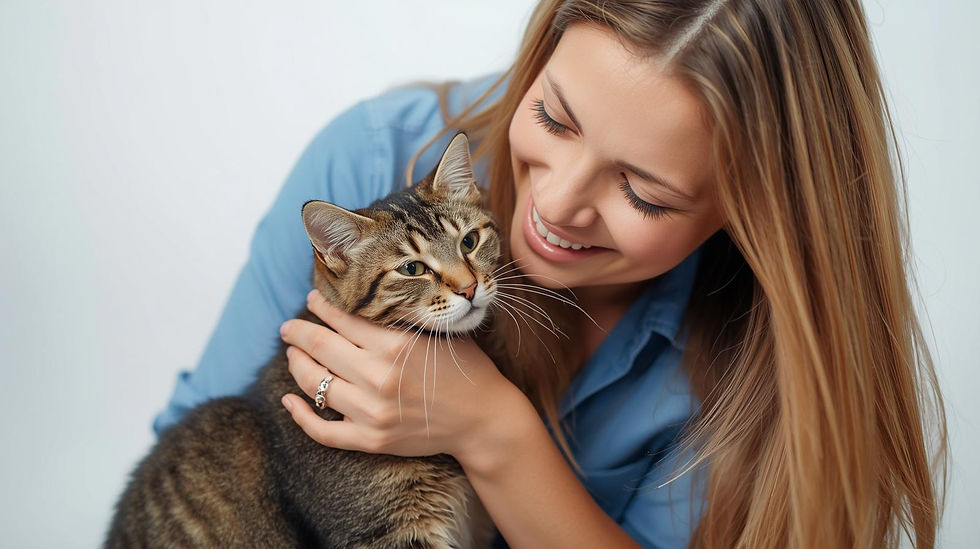
Volunteering doesn’t require special skills, just a willingness to learn and care. Some shelters also welcome foster volunteers who provide temporary homes for animals, which can be a rewarding way to help.
The Bigger Picture: Why Your Help Matters Now
Shelters face increasing challenges such as overcrowding, limited funding, and rising numbers of abandoned or surrendered animals. With fewer volunteers, staff struggle to meet all needs. Your time can:
Save lives: More hands mean more animals receive care and find homes.
Reduce shelter stress: Animals with more human contact are calmer and healthier.
Support staff: Volunteers lighten the workload, allowing staff to focus on medical care and adoptions.
Build awareness: Volunteers often become advocates, spreading the word about animal welfare.
By volunteering, you become part of a community effort that changes animals’ futures and strengthens local support networks.

🐾
If you are interested in adopting a Furry Friend you can view our Adoptables here
If you are interested in Fostering a Furry Friend, please visit this page on our Website for more information, and complete the Foster Application Form.
If you cannot Foster but would like to help, you can Buy Supplies for Us
or just give a Donation.


