
The Secret Language of Purring


What different purring sounds really mean
A cat’s purr can feel like the sound of pure happiness, but it is not always that simple. Cats purr when they are relaxed, hungry, nervous, bonded, sore, or trying to get attention. The trick is learning the whole message, not just the sound.
Purring is produced as air moves over the vocal cords while the laryngeal muscles rhythmically move. Unlike a meow, it can happen while a cat breathes in and out, which gives purring that steady, rolling quality.
Veterinarians and animal behaviourists tend to agree on one thing: context matters more than volume. The same cat may use one purr for the sofa, another at breakfast, and a very different one at the vet.
A contentment purr usually comes with a relaxed body
This is the purr most people recognise. It often appears when a cat is curled on a lap, kneading a blanket, stretching in a sun patch, or being stroked in a favourite spot.
A contented purr is usually steady and low. The cat’s body gives it away:
Soft eyes or slow blinking
Loose paws
A gently curved tail
Ears facing forward or slightly to the side
No tension through the shoulders
One cat owner described their older tortoiseshell as having a “tiny motorbike” purr that starts before contact is even made. The cat sees the blanket come out, climbs onto the couch, kneads twice, and begins purring before settling in. That kind of predictable pattern is a strong clue that the purr means comfort.
Animal behaviourists often look at repeat patterns like this. If the purr happens in the same calm setting, with the same soft body language, it likely signals safety and pleasure.
A food purr can sound more urgent
Some cats have a special purr for meals. It may be louder, higher, or mixed with a little chirp or cry. This is sometimes called a solicitation purr, because the cat is asking for something.
It can sound surprisingly hard to ignore. A cat may rub against ankles, lead a person to the kitchen, or sit near the bowl while purring with extra intensity.
A common owner story goes like this: the cat never purrs loudly in the evening, but at 6 am, it produces a buzzing, squeaky purr beside the bed. The sound stops the moment breakfast appears. That is not random. That is communication.

Veterinarians often remind cat owners that a hungry purr is not a health concern on its own. The concern comes when appetite changes. A cat that suddenly asks for far more food, eats less than usual, loses weight, or seems restless should be checked by a vet.
A stress purr can be easy to misread
Here is where purring becomes more mysterious. Cats may purr when they are anxious, overwhelmed, or trying to calm themselves.
At the vet clinic, many cats purr while their pupils are wide, paws are tucked tight, and bodies are tense. A person might think, “They must be happy.” A vet is more likely to read the whole picture and see stress.
A stress purr may come with:
Hiding or crouching
Flattened or sideways ears
A tightly wrapped tail
Fast breathing
Refusing food
Freezing when touched
One owner of a rescue cat noticed this difference over time. At home, the cat’s purr was slow and rumbling during lap time. During carrier trips, the purr became thin and constant, paired with wide eyes and a stiff body. The sound was similar, but the message was not.
This is why body language is the translation key. Cats rarely communicate with one signal. They use sound, posture, scent, movement, and routine together.
A pain purr may mean a cat needs help
Cats are skilled at hiding discomfort. A purr can sometimes appear when a cat is unwell, injured, or recovering. That does not mean purring causes healing in a simple or guaranteed way. It means purring may be part of a cat’s self-soothing behaviour.
Veterinarians often treat a sudden change in purring as one clue among many. A cat that purrs while withdrawn, stops jumping, avoids touch, eats less, or hides more than usual may need a check-up.
Watch for purring paired with:
Limping or stiffness
Hiding for long periods
Change in litter tray habits
Unusual aggression when handled
Low energy
Weight loss
Vomiting or not eating
This article is general information only and is not a substitute for veterinary care. If a cat’s purr changes suddenly, or if it appears with signs of pain or illness, book a vet visit.

Mother cats and kittens use purring as a bond
Purring begins early in life. Kittens can purr when nursing, and mother cats may purr while caring for them. This soft vibration helps create contact and reassurance when kittens are tiny, with closed eyes and limited movement.
That early meaning may stay with cats into adulthood. Many adult cats purr when they feel socially connected. A cat may purr when greeting a favourite person, sleeping beside another cat, or pressing its head into a familiar hand.
Some owners notice a special “hello purr” at the door. It is shorter and brighter than the lap purr, often paired with a raised tail and cheek rubbing. It may not mean the cat wants a cuddle for twenty minutes. It may simply mean, “You are back, and I recognise you.”
That small distinction matters. Understanding different purrs helps avoid forcing interaction when a cat only wanted a greeting.
How to learn your cat’s purr language
The best way to understand a cat is to become a quiet observer. No app or chart can capture every cat’s private habits. Each one builds a personal sound map shaped by age, temperament, health, and history.
Try keeping a simple purr diary for a week. Note what happens before, during, and after the purr.
You can record:
Where the cat is
What time it happens
What the cat wants next
How the body looks
Whether the purr is soft, loud, high, low, steady, or broken
Any changes in eating, toileting, play, or sleep
Patterns will appear quickly. The breakfast purr may have a sharp edge. The bedtime purr may be deep and even. The nervous purr may arrive in the carrier. The affectionate purr may happen only when the house is quiet.
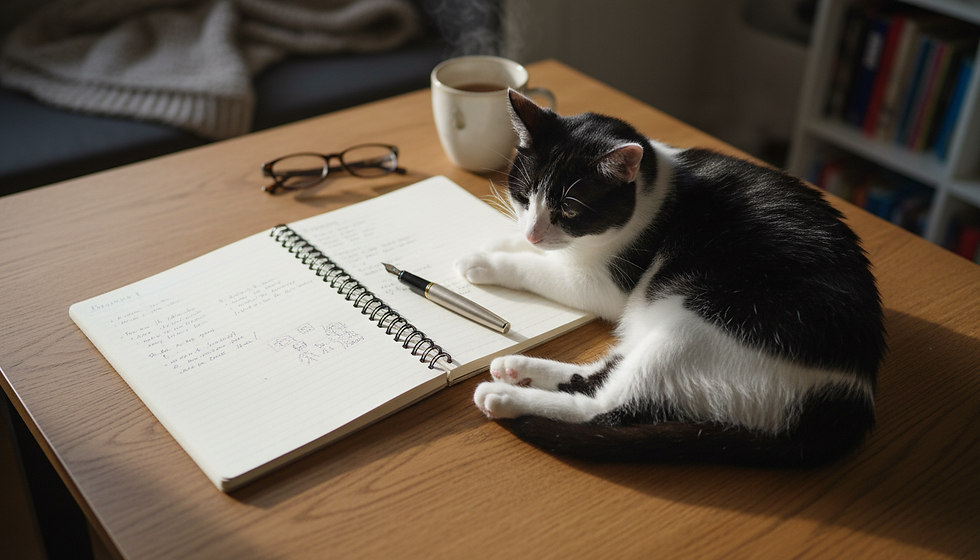
A cat’s purr is not a single word. It is more like a sentence, shaped by sound, posture, place, and routine. Listen closely, watch the whole cat, and the message becomes clearer. The more familiar those patterns become, the better a cat’s humans can respond with food, space, comfort, play, or care when it is truly needed.
🐾
If you are interested in adopting a Furry Friend you can view our Adoptables here
If you are interested in Fostering a Furry Friend, please visit this page on our Website for more information, and complete the Foster Application Form.
If you cannot Foster but would like to help, you can Buy Supplies for Us
or just give a Donation.


