
The Impact of Cat Allergies and How to Manage Them

Introduction
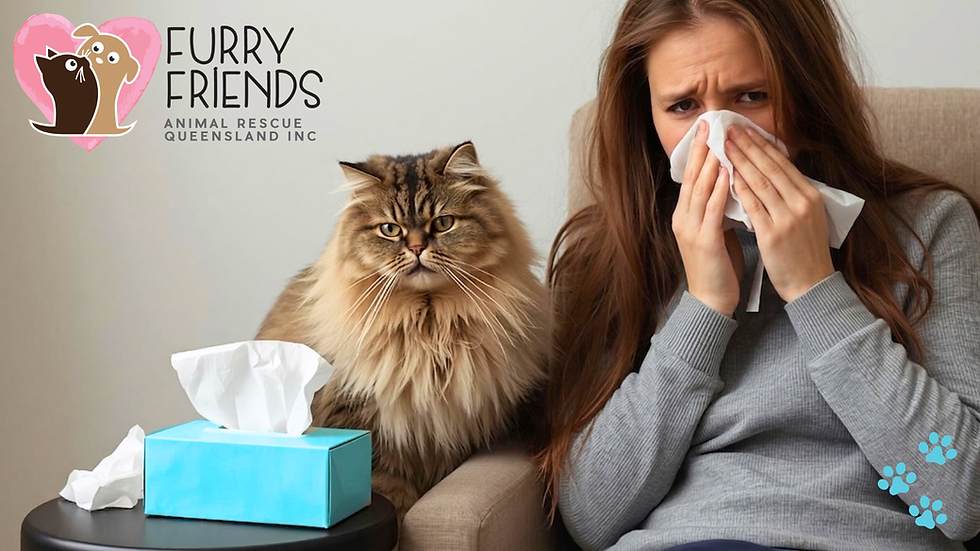
Cat allergies affect millions of people worldwide, often causing discomfort and disrupting daily life. For those who love cats but suffer from allergies, understanding the causes and finding ways to manage symptoms is essential. This week's blog explores the impact of cat allergies and offers practical advice to help you live comfortably alongside your furry friends.
What Causes Cat Allergies?
Cat allergies are triggered by proteins found in a cat’s skin cells, saliva, and urine. The most common allergen is "Fel d 1", a protein produced in cat saliva and skin glands. When cats groom themselves, this protein spreads onto their fur and skin. As the fur sheds or dander becomes airborne, people sensitive to these allergens may experience allergic reactions.

Common Symptoms
People with cat allergies may experience:
Sneezing and runny nose
Itchy, watery eyes
Nasal congestion
Coughing or wheezing
Skin rashes or hives
Asthma attacks in severe cases
Symptoms can appear immediately after exposure or develop over time with repeated contact.
How Cat Allergies Affect Daily Life
Living with cat allergies can be challenging, especially for those who want to keep cats as pets. Allergic reactions can interfere with sleep, work, and social activities. Some people may avoid visiting friends or family who have cats, which can affect relationships.
Children with cat allergies may face additional challenges, such as increased asthma risk or difficulty concentrating in environments where cats are present. Understanding these impacts helps highlight the importance of effective management.

Practical Ways to Manage Cat Allergies
While avoiding cats completely is the most effective way to prevent allergic reactions, many people want to coexist with their pets. Here are some strategies to reduce symptoms and improve comfort:
Create Cat-Free Zones
Designate certain areas of your home, such as bedrooms, as cat-free zones. This limits allergen exposure where you spend the most time resting.
Improve Home Cleaning
Vacuum frequently using a vacuum with a HEPA filter to trap allergens.
Wash bedding, curtains, and soft furnishings regularly.
Use air purifiers with HEPA filters to reduce airborne allergens.

Groom Your Cat Regularly
Brushing your cat often helps remove loose fur and dander. Bathing cats can reduce allergens but should be done carefully to avoid stress or skin issues.
Use Allergy Medications
Over-the-counter antihistamines, nasal sprays, or eye drops can relieve symptoms. Consult a healthcare provider for advice on the best options, especially if you have asthma.
Cat Food Supplements (Safe for Cats)
Specialized food (such as Purina Pro Plan LiveClear) contains antibodies that neutralize the Fel d 1 allergen in a cat's saliva, reducing the amount of allergen spread to fur during grooming.
Consider Allergy Shots
Immunotherapy, or allergy shots, can help some people build tolerance to cat allergens over time. This treatment requires a healthcare professional’s supervision and can take several months to show results.
Experimental Cat Vaccine
Though still experimental at the time of writing, some researchers have been developing a vaccine designed to be given to cats, which reduces their production of the Fel d 1 protein, making them less allergenic to humans. You might consider investigating this possibility further.

When to See a Doctor
If your symptoms worsen or interfere with daily life, seek medical advice. A doctor can confirm if cat allergies cause your symptoms and recommend treatments tailored to your needs. In some cases, managing asthma triggered by cat allergens requires specialised care.
Living Well with Cat Allergies
Managing cat allergies involves a combination of strategies. By reducing allergen exposure, using medications wisely, and maintaining a clean environment, many people find they can enjoy the company of cats without severe discomfort.

If you are interested in adopting a Furry Friend you can view our Adoptables here
If you are interested in Fostering a Furry Friend, please visit this page on our Website for more information, and complete the Foster Application Form.
If you cannot Foster but would like to help, you can Buy Supplies for Us
or just give a Donation.


